.png)

.svg)




%201%402x.svg)
%201.svg)


.svg)


Offshore development center
A dedicated R&D center in Poland with recruitment, HR, payroll, office, and legal support included, and a buyout right from day one.














A fractional CTO is a senior technology leader who owns your architecture, technology strategy, engineering standards, and technical hiring, working with you part-time instead of joining as a full-time executive.
The model is also known as CTO as a service, on demand CTO, interim CTO, part-time CTO services, outsourced CTO, and virtual CTO services. When the roadmap needs hands rather than direction, we back it with offshore development center teams.
You’re a non-technical founder with a strong vision who needs the architecture, tech stack, and execution plan for a team
Companies raising capital who need their architecture, tech stack, and roadmap defended under intense investor review
Your team is shipping slowly or building fragile code. You need to diagnose the root cause: is it architecture, process, or people?
Startups between funding rounds or leadership changes that need part-time CTO services without the full-time commitment
Fractional CTO | Full-time CTO | Technical co-founder | Tech consultant | |
|---|---|---|---|---|
Suits | Startups and scale-ups needing execution plus leadership | Companies with a steady roadmap and an executive budget | Founders ready to trade equity for a permanent partner | Specific technical problems and audits |
Commitment | Hours per week, agreed upfront | 40+ hrs/week | Full-time, open-ended | Short-term |
Execution involvement | High | High | High | Low |
Focus | Strategy and execution balance | Long-term org leadership | Building the company with you | Problem-solving and advice |
Cost structure | Time actually spent | Salary, equity, benefits | Equity, often with little salary early | Project fee or hourly rate |
Continuity | Ongoing across quarters | Permanent | Permanent, and hard to reverse | Ends with the deliverable |
Startups and scale-ups needing execution plus leadership
Companies with a steady roadmap and an executive budget
Founders ready to trade equity for a permanent partner
Specific technical problems and audits
Hours per week, agreed upfront
40+ hrs/week
Full-time, open-ended
Short-term
High
High
High
Low
Strategy and execution balance
Long-term org leadership
Building the company with you
Problem-solving and advice
Time actually spent
Salary, equity, benefits
Equity, often with little salary early
Project fee or hourly rate
Ongoing across quarters
Permanent
Permanent, and hard to reverse
Ends with the deliverable

Their professionalism, flexibility, and commitment to our success have made them a trusted strategic partner.
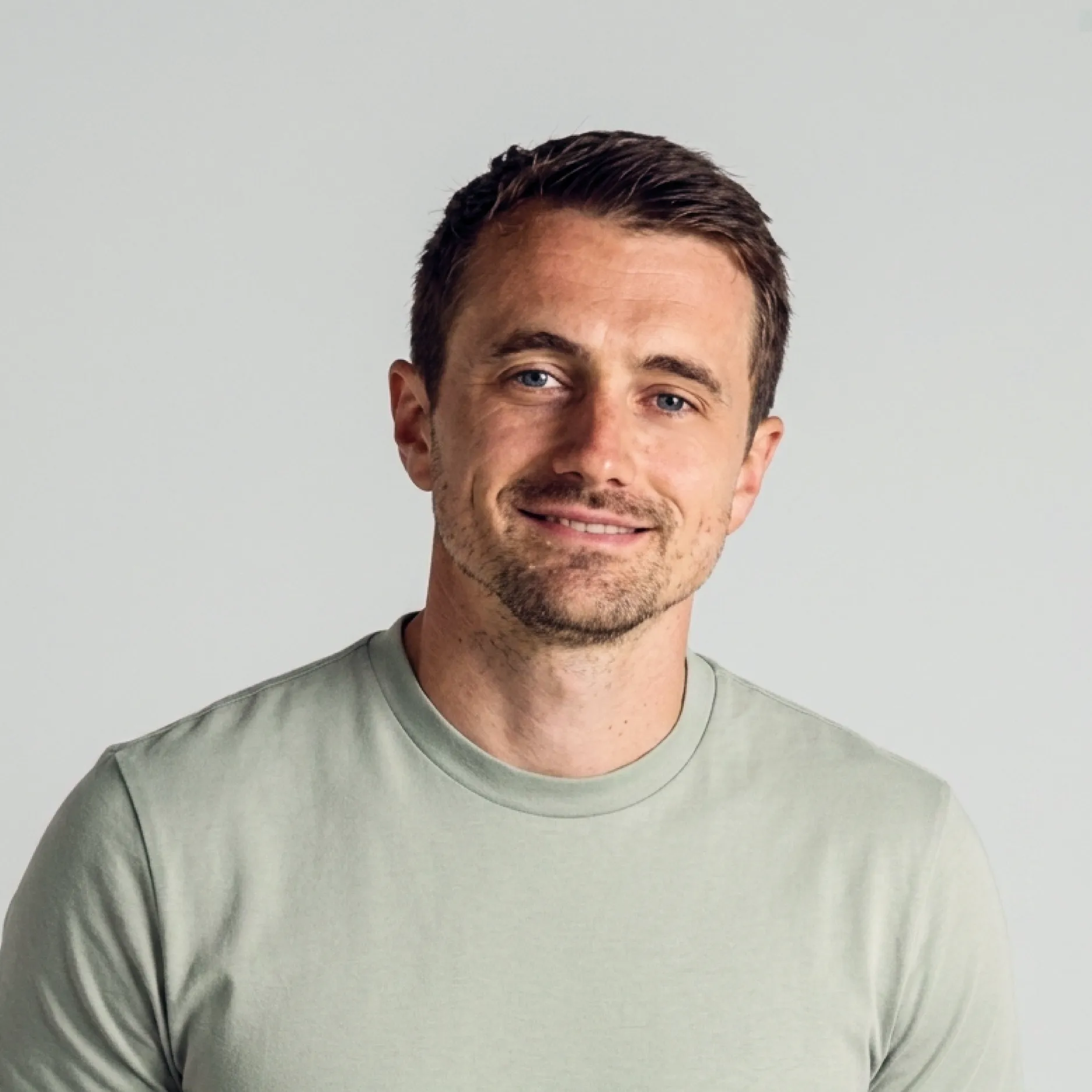

OTS has been a great business partner, allowing us to expand the team efficiently across varying areas of expertise: engineering, design, QA, creative production, and so on.


What stood out most was OTS's ability to grasp our product vision and translate complex requirements into practical, effective technical solutions.
.webp)

I chose them over other options because they had high ratings […] they were a great culture fit, and their company values aligned with ours.
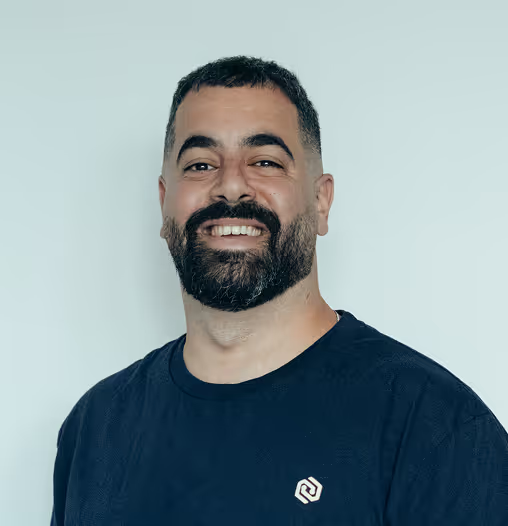

Their professionalism, flexibility, and commitment to our success have made them a trusted strategic partner.
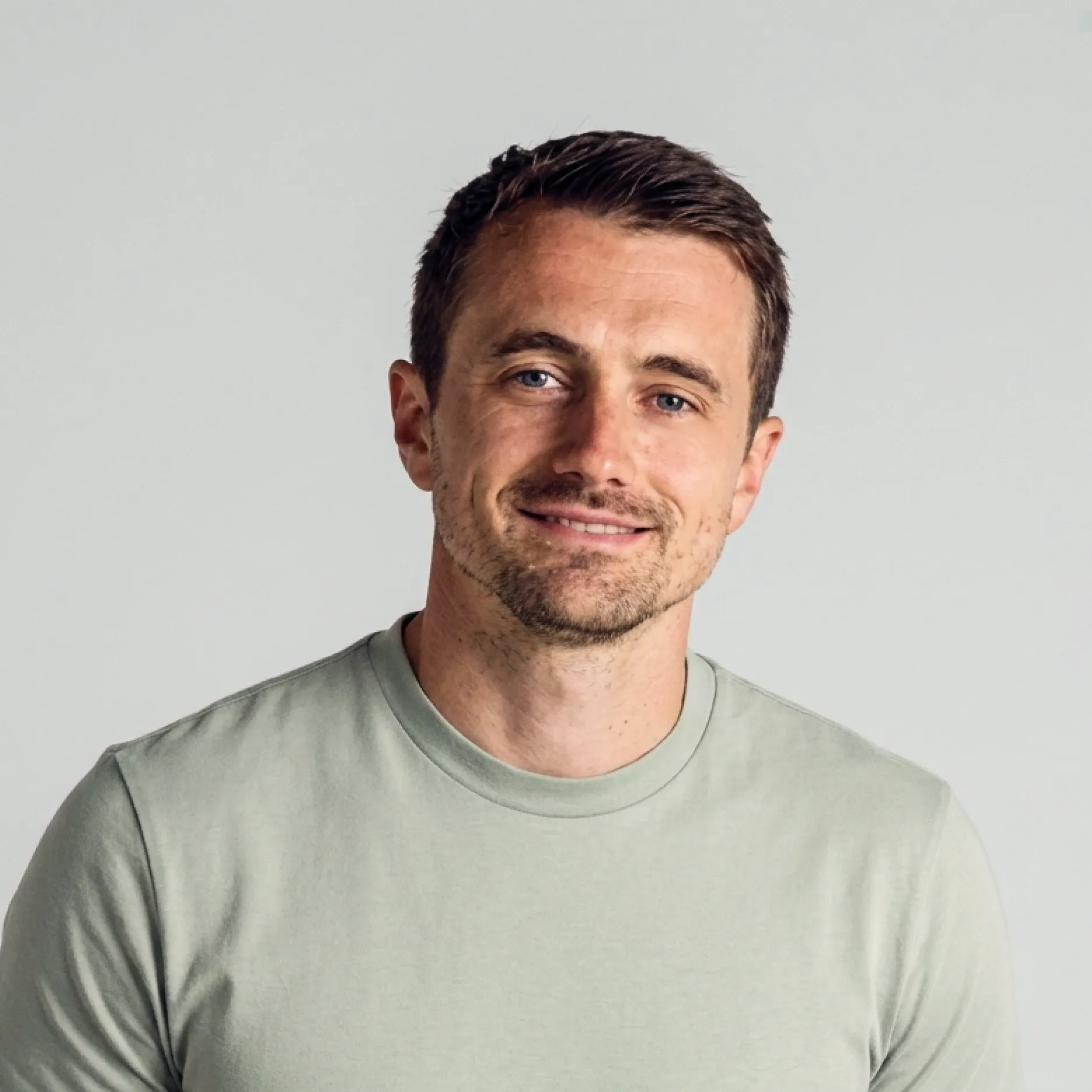

OTS has been a great business partner, allowing us to expand the team efficiently across varying areas of expertise: engineering, design, QA, creative production, and so on.

.webp)
What stood out most was OTS's ability to grasp our product vision and translate complex requirements into practical, effective technical solutions.
.webp)

I chose them over other options because they had high ratings […] they were a great culture fit, and their company values aligned with ours.
You get an executive tech leader who understands your specific niche, whether it’s cloud architecture, AI/ML systems, or DevSecOps. Our fractional CTOs bring deep experience from scaling products at Orca Security, Cycode, and HoneyBook.
Architectural guidance focused strictly on your product. If the answer is "don't build this yet," you will hear it directly.
Our CTO takes part in architecture reviews, engineering planning, and the implementation decisions that carry risk. On one pharmaceutical AI platform, our CTO ran the technical kickoff: architecture, the build setup, and the first hires.
A solo fractional CTO is always capped by one person's experience. With us, your leader is backed by our entire organization’s collective intelligence.
We work as a long-term partner rather than a short-term advisor. Over half our active customers have been with us more than two years, and the average partnership runs past three.
Clear scope agreed before we start, with regular and transparent progress reports. You always know what your CTO is building and why.

You get a scalable architecture and tech stack chosen strictly for your growth plans, and tailored to the developers you can realistically hire in your market.

The CTO sets high engineering standards and implements AI tools, metrics, and automated agent workflows to drive your development team’s peak efficiency. Skipping this discipline is exactly where most GenAI implementations go wrong.

The CTO defines your MVP and prioritizes features that deliver business value first. This cuts development waste and heavily shortens your time-to-market.

Get a clear assessment of your product, code, and engineering setup. The CTO identifies hidden technical risks, and scalability constraints.
.svg)
System evolution, scalability planning, and the technical milestones that matter to your board, tied to business goals rather than to technology fashion.

Test complex ideas before investing heavily. The CTO builds practical Proof of Concepts (PoC) to settle the core engineering approach before full-scale development begins.
Cloud and runtime security, including eBPF sensors; application security from code to runtime; AI-native email security. Increasingly, securing AI-written code and AI inside the product. Domain experience: Orca Security, Cycode, Ocean Security.
AI-first mobile apps for everyday tasks. Domain experience: Handle (formerly 44pixels).
Most AI initiatives fail for the same handful of reasons. See the GenAI mistakes that sink them.
On-device app discovery shipped through handset makers and carriers to 2B+ devices, playable ads, and the backend and mobile work behind them. Domain experience: Unity.
Online trading platforms with a partner-facing CRM, and AI monitoring of marketing and customer communications for compliance teams. Domain experience: Finonex, Sedric.ai.
Live scores and match updates for 100M+ fans, and the .NET backend engine behind them. Domain experience: 365Scores.
Customer management, invoicing and payments in one product for small businesses, and a frontend move from AngularJS to React. Domain experience: HoneyBook.

Expanding an engineering team for a global sports product

Building and supporting a 17+ team for a VC-backed startup in mobile AI
Building and scaling a 25‑person team in Poland for a VC-backed startup.

Extending the R&D team behind a CRM and FinTech platform for small businesses

Building and growing an engineering team in Poland
Rate and scope agreed upfront, before the engagement starts
No full-time salary, equity dilution, bonuses, or recruitment fees, just a predictable hourly rate
Flexible involvement tailored to your project milestones
The fractional CTO starts with your product vision, business goals, technical constraints, and organizational context, in conversations with the people who own each of them.
Together, the client and On The Spot Development agree on the scope, cadence, and level of involvement based on your startup's stage and what is urgent right now.
Written findings on architecture, stack, infrastructure, and engineering practice: what works, what is at risk, what it costs to fix, in what order.
A clear technical roadmap tied directly to business milestones: from tech stack decisions to model pipelines. If hiring stalls, the CTO structures the roles and requirements.
The CTO on demand tests the new direction against reality immediately: running sprints on the new process, implementing the first structural changes, and delivering measurable results early on without a long setup.
The CTO stays on a recurring weekly commitment, and On The Spot Development scales the engagement around milestones such as a funding round, a launch, or a scaling push.
We turn down engagements that are not the right fit. Here is how to know whether this is the right moment for your company.
Before engineering begins, the CTO on demand gives you an honest assessment of the build. He selects a future-proof tech stack and ensures your PoC focuses only on critical assumptions. Founders also get a trusted expert to audit agency proposals and spot overpricing or unrealistic deadlines.
During active development, the fractional CTO oversees engineering standards, code reviews, deployment environments, and hiring. Instead of letting the team pile up accidental technical debt, he ensures it is managed strategically.
The constraint shifts from building to scaling: performance under load, cost per transaction, security and compliance as the product grows, and an engineering organisation that needs structure. At this stage the CTO also handles the technical side of fundraising, from due diligence preparation to the roadmap you present to a board.
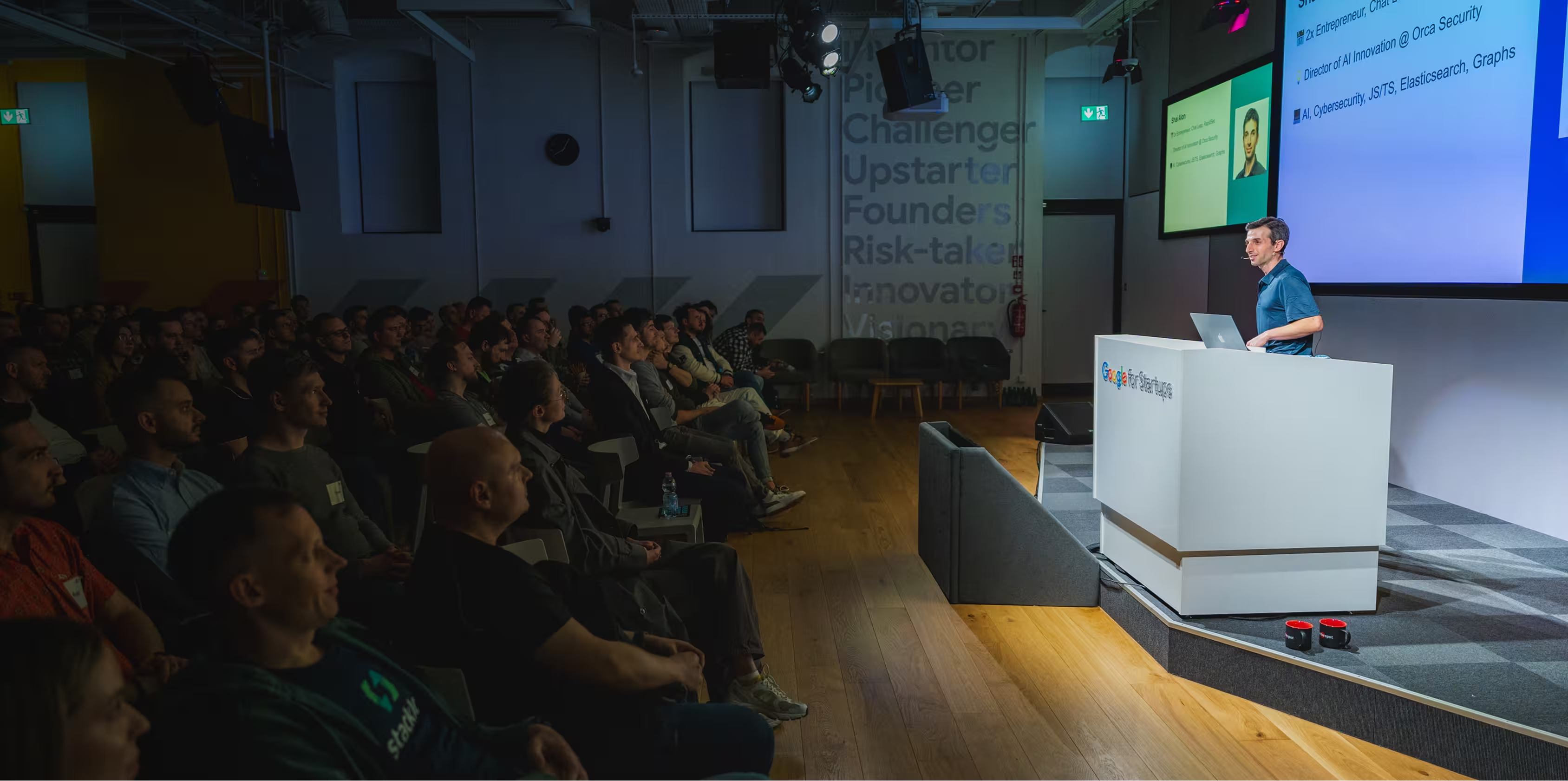
Tech events in Poland for everyone interested in software architecture and systems design. Like-minded people, top experts from leading companies, and a big engineering community.
An interim CTO usually fills the role full-time for a few months while you hire a permanent one. Our engagement is fractional: the CTO owns architecture, the technical roadmap and hiring decisions. It goes beyond advice.
Fractional CTO rates are hourly: you pay for the hours the CTO works, at a rate agreed before we start. Three things set the total cost of CTO as a service: hours per week, depth of involvement, and how long the engagement runs. Compare it with a full-time CTO package: salary, equity, bonus, recruitment fees and benefits, paid every month.
An outsourced CTO is any technology leader you engage through an outside company instead of hiring one. Part-time CTO services, virtual CTO services and on demand CTO describe the same arrangement. A fractional CTO is the specific version: an outsourced CTO who owns architecture, roadmap and hiring decisions over quarters.
Yes, and it is optional. Many engagements grow from architecture and roadmap into an engineering team working under the same technical direction, through custom software development for individual specialists or an offshore development center for a permanent team.
The engagement can move from CTO as a service into a dedicated team or an offshore development center, and the buyout right applies to that team from day one. The fractional CTO role itself stays with us. We have run exactly this transition for a customer.
After a discovery conversation and an agreed scope, engagements typically begin within days rather than weeks. The first weeks focus on the system and engineering assessment, which is what makes every later recommendation specific to your product instead of generic advice.
You do. All intellectual property created during the engagement belongs to your company. We are EU-based, so GDPR compliance and EU IP protection apply by default. If the engagement grows into a dedicated team, the buyout right lets you hire those engineers into your own company at any point.
At ideation: MVP scope, architecture and tech stack, and what a proof of concept has to answer. During development: engineering standards, code and architecture review, environments, and the first technical hires. At growth: performance under load, security and compliance, org structure, and technical due diligence. CTO advisory covers all three, and the emphasis moves as the product does.
Start with the decisions you need made in the next two quarters, then look for someone who has made them before in your domain. Test candidates on your own architecture. If a full-time hire is a constraint, find a fractional CTO: the same judgment, for the hours the product needs.
Tell us where the product is and what is blocking it. We will tell you what a fractional CTO would do first.
We've successfully received your request! Our specialists will contact you within 24 hours. For any urgent requests, please contact us directly at join@onthespotdev.com


Essential cookies keep the site working and cannot be turned off. Everything else is your choice, and you can change it at any time from the footer.
Full list of cookies, with providers and retention periods, is in our Cookie Policy.
Required for page loading, security, and form submissions. The site does not work without them.
Google Analytics 4 via Google Tag Manager. Shows us which pages people read and where they leave. Data is aggregated.
HubSpot and LinkedIn. Lets us see which campaigns bring visitors and show relevant ads. If this is off, we cannot tell where your visit came from.